The Payroll Tune-Up: 3 Compliance Changes You Can't Ignore for January 1st

About the author
 Opscalers
Featured Article
The "Resolution Trap" is relying on perseverance when growth demands a systematic "Revolution." Stop compounding...
Recent Posts

Browse By Category
Table of Contents
As the year draws to a close, many businesses focus on Q4 sales pushes or strategic planning for the year ahead. But for those responsible for payroll and human capital management, December isn’t just about wrapping up; it’s about meticulous preparation. The turn of the calendar page on January 1st isn’t merely symbolic, it triggers a cascade of compliance changes that, if ignored, can lead to crippling fines, legal battles, and significant reputational damage.
Payroll isn’t just about cutting checks; it’s a complex, ever-evolving ecosystem of federal, state, and local regulations. And as an organization grows, so does the complexity and the risk. Relying on outdated processes or hoping your existing systems will automatically adapt is a recipe for disaster. This isn’t about guesswork; it’s about precision.
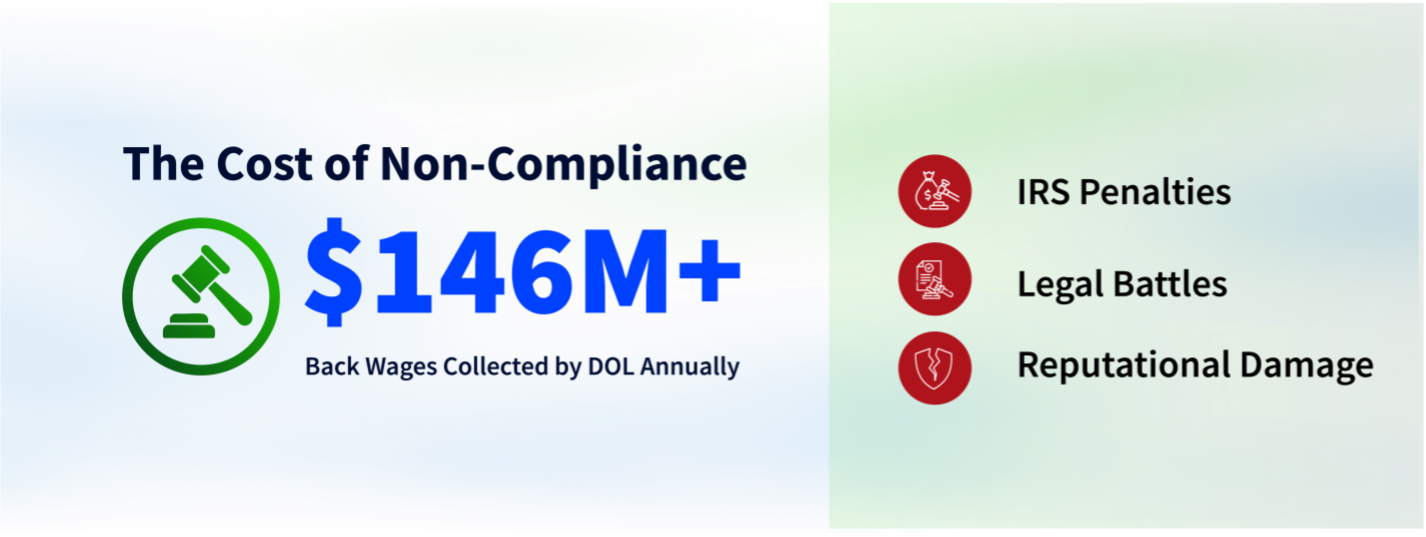
Opscalers emphasizes that a proactive “Payroll Tune-Up” is non-negotiable right now. Ignoring these critical updates is akin to driving a car with a known engine fault into the new year—eventually, it will break down, and the cost of repair will be far greater than the cost of prevention.
Here are three critical compliance changes you absolutely cannot ignore as January 1st approaches:
1. Updated Federal and State Minimum Wage Laws & Overtime Thresholds
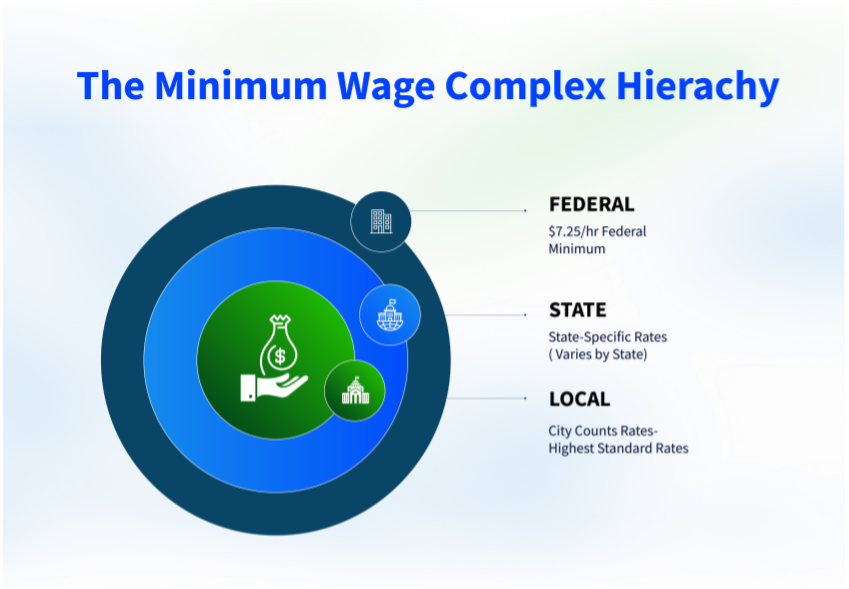
This is perhaps the most fundamental and frequently changing area of payroll compliance. January 1st often marks the effective date for new minimum wage rates at federal, state, and even local levels. Many states and municipalities have enacted incremental increases, and a single missed update can lead to widespread underpayment and significant legal exposure.
What to do now:
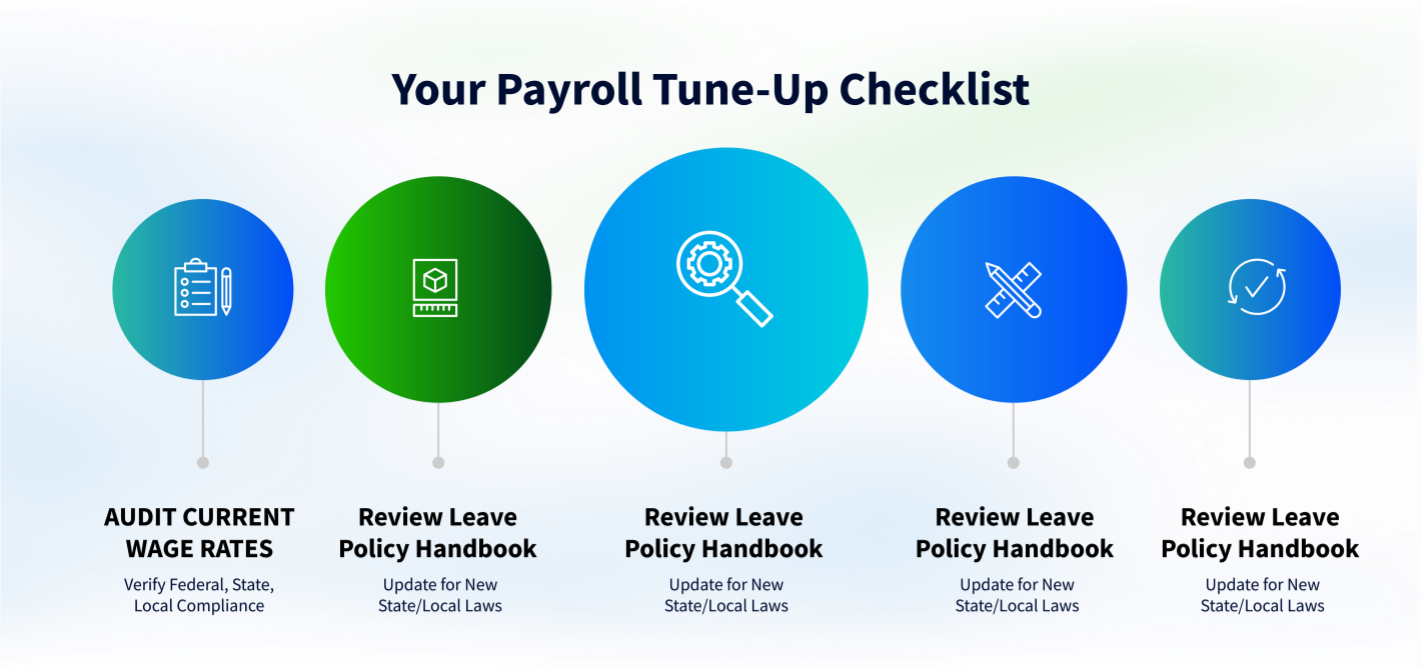
- Audit All Employee Wages: Review every employee’s current hourly rate against the new applicable minimum wage for their location. Remember, if an employee works in a state with a higher minimum wage than the federal rate, the higher rate applies. Some cities also have their own minimums that supersede state law.
- Re-evaluate Overtime Exemptions: Beyond the hourly rate, federal (FLSA) and many state laws define minimum salary thresholds for employees to qualify as exempt from overtime. These thresholds are often adjusted annually. If an exempt employee’s salary falls below the new threshold, they may automatically become non-exempt, entitling them to overtime pay. This requires reclassification and careful tracking of hours worked.
- Update Payroll Systems: Ensure your payroll software is updated with all new rates. This seems obvious but is a common oversight when juggling multiple locations or complex pay structures.
The Opscalers Take: Overtime violations are among the most common and costly payroll errors. The Department of Labor collected over $146 million in back wages for workers in 2023 alone, with many violations stemming from misclassification and incorrect overtime calculations [1]. A small oversight can lead to a class-action lawsuit.
2. Evolving Leave Laws: Paid Sick Leave, Family Leave, and PTO Accrual
The landscape of employee leave is constantly shifting, with more states and localities enacting or expanding paid sick leave, paid family and medical leave (PFML), and even specific PTO accrual and carryover rules. These laws impact not only how employees accrue time off but also how it must be paid, documented, and protected.
What to do now:
- Review State/Local Leave Mandates: Identify any new or amended paid sick leave or PFML laws effective January 1st in all jurisdictions where you operate. This includes changes to accrual rates, caps, eligible uses, and notification requirements.
- Update Company Policies & Handbooks: Your employee handbook and internal leave policies must reflect these changes. Employees need clear communication on how new leave entitlements work.
- Adjust Payroll & HRIS Systems: Ensure your payroll and HRIS (Human Resources Information System) can accurately track new leave accruals, usage, and any associated deductions or payments (e.g., state PFML contributions).
- Train Managers: Front-line managers are often the first point of contact for leave requests. They must be fully aware of new compliance requirements to avoid missteps that can lead to legal challenges.
The Opscalers Take: Leave law non-compliance can result in significant penalties and employee grievances. A single instance of denying legally protected leave can lead to costly litigation. The complexity often lies in managing different rules across various employee locations, making centralized, accurate tracking critical.
3. Tax Withholding Changes & Form W-4 Accuracy
The IRS regularly updates tax withholding tables, and state tax authorities follow suit. While these changes are often subtle, they directly impact employees’ take-home pay and your company’s compliance with tax remittance. Beyond these routine updates, ensuring W-4 accuracy is a continuous task with year-end implications.
What to do now:
- Update Tax Tables: Verify that your payroll system has the most current federal and state tax withholding tables for January 1st.
- Encourage W-4 Review: While not always mandatory, encourage employees to review their Form W-4 (and state equivalent) at year-end. This is especially important for those who experienced life changes (marriage, new dependents) or significant income fluctuations in the past year. Proactive review can prevent under-withholding for employees and reduce inquiries to your payroll team.
- Verify Employee Data: Double-check all employee information for accuracy (addresses, Social Security numbers) as you prepare for W-2 generation. Errors here cause significant headaches come tax season.
The Opscalers Take: Accurate tax withholding is foundational to payroll compliance. While system updates typically handle the new tables, proactive communication with employees about W-4 review can prevent year-end surprises and improve employee satisfaction. The IRS penalizes for incorrect or late W-2s, so accuracy in data entry is paramount [10].
Don't Guess, Get it Right
The weeks leading up to January 1st are not a time for guesswork. The penalty for non-compliance far outweighs the investment in proactive preparation. From the intricate web of minimum wage laws to the ever-shifting sands of leave policies and the non-negotiable accuracy of tax withholding, your payroll operations are under constant scrutiny.
Opscalers provides the surgical expertise to navigate these complexities. Opscalers helps you identify and mitigate risks, update your systems, and ensure your payroll processes are not just compliant, but optimized for the year ahead. Stop operating in fear of audits and start the new year with confidence.
Let’s ensure your payroll is tuned up and ready for January 1st.
[→ Book a Discovery Call with Opscalers]
References
[1] U.S. Department of Labor. (2023). Wage and Hour Division collects over $146 million in back wages for workers in FY 2023.
[2] National Conference of State Legislatures. (Ongoing). State Minimum Wage Laws.
[3] U.S. Department of Labor. (Ongoing). Fair Labor Standards Act (FLSA) Minimum Wage.
[4] Society for Human Resource Management (SHRM). (Ongoing). State & Local Leave Laws.
[5] U.S. Department of Labor. (Ongoing). Family and Medical Leave Act (FMLA).
[6] IRS. (Ongoing). Form W-4, Employee’s Withholding Certificate.
[7] IRS. (Ongoing). Understanding Your W-2.
[8] IRS. (Ongoing). Penalties.
[9] The Payroll Compliance Handbook, ADP, 2024.
[10] Journal of Accountancy, AICPA. (2024).